Bail does greater than launch a person from a holding cell. It develops a legal pledge with a financial backing, one that courts impose with genuine teeth. When a defendant stops working to show up, that promise fractures. Bonds are called, due dates tighten, and what looked like a regular case can become a shuffle across calendars, laws, and areas. Anyone working around criminal courts, from surety underwriters to defense counsel to family members co-signers, eventually challenges the vocabulary of skips and forfeitures. Understanding how the procedure works, and where judgment calls make the difference, assists avoid preventable losses and unnecessary risk.
Two separate acts: failure to appear versus forfeiture
"Missing" is a shorthand for failing to show up in court as needed. It might be unintended, negligent, or deliberate. A missed hearing usually activates a bench warrant. Loss is the court-ordered consequence against the bond, not against the individual. It is an economic assent that changes responsibility to the guaranty and the indemnitors who guaranteed the defendant's look. Both are linked yet not the same. Someone might avoid briefly, after that return within a legal grace period, and the court might leave or reserve forfeit. Conversely, a defendant may appear late, yet with adequate prejudice to the procedures that the court still takes a piece of the bond.
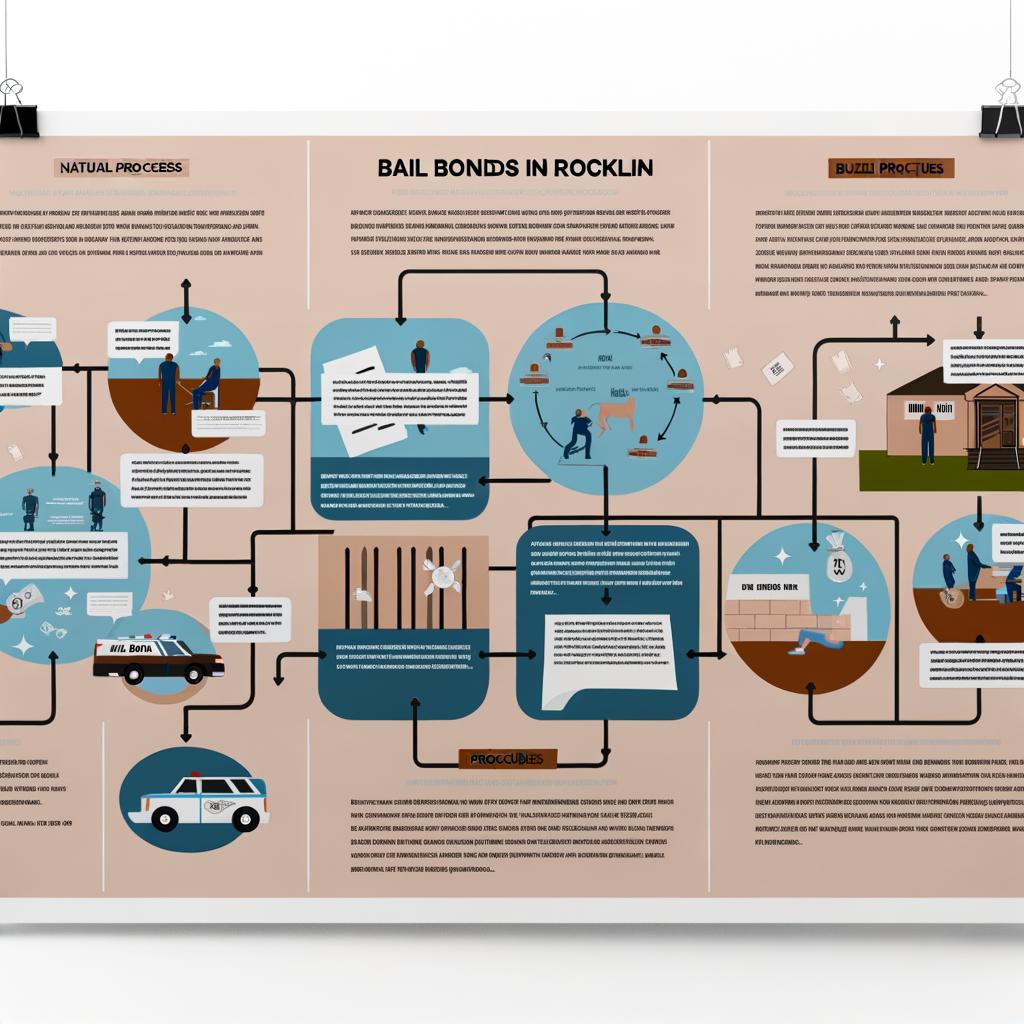
In technique, a situation relocates through phases: failing to show up, affirmation of forfeiture, notification, an opportunity to create the offender or show reason, and ultimately judgment. The specific timing and terminology turn on the territory. A Florida staff's notice looks various from a Texas scire facias, and a California bond statute does not mirror North Carolina's show reason framework. The spine coincides, though. A pledge was made. The court provides the guaranty a specified window to fix the breach or pay.

How a missed out on court date unfolds
I have actually sat in court when a name is called and no person stands. The court waits a minute, after that a second phone call. The defense attorney glances at the corridor. The prosecutor checks a file. When the judge is pleased the accused is absent, the court provides a bench warrant and orders the bond surrendered. A docket staff goes into the forfeit in the system. This fast minute starts a timeline that matters to everybody who authorized the bond.
The surety or representative normally obtains mailed notice of forfeit. Some courts send out notice to the defendant and indemnitors too. The notification will certainly establish the day when the forfeit comes to be a judgment if absolutely nothing modifications. Between the date of forfeit and that judgment day lives the "appearance period," "exoneration duration," or "bond surrender window," varying from 1 month to a year depending on the statute. Agents functioning multiple regions keep a graph on the wall surface because the details differ not only by state yet often by court.
During this home window, the surety can do several things. It can find the accused and surrender them, either to the prison or in open court. It can relocate to abandon the forfeiture for statutory reasons, like health problem verified by documents, incarceration in other places, energetic army orders, or court error in notification. It can request expansions, often tied to recorded initiatives to find the accused. Stopping working that, it can pay the bond quantity or discuss a remission after settlement if the accused is later returned.
What "avoid" appears like on the ground
Defendants miss court for several reasons, and the reason matters. A change of address without mail forwarding can sink a reminder letter. Compound usage, psychological health situations, and unsteady employment make commitments unsafe. Then there are true flight cases, where a defendant cuts connections and leaves. A representative discovers to triage rapidly. When a customer that has constantly called back goes silent eventually before a felony setup, assume dilemma before malignance and work the phone tree. When a co-signer reports the defendant offered their vehicle, stopped their work, and discussed "heading out of state," that account indicate trip risk.
I when enjoyed a seasoned representative in a country area call the defendant's mother, sweetheart, company, and union associate within an hour of a missed arraignment. He learnt the man went to a health center with his newborn. He brought a letter from the registered nurse to court that mid-day. The court vacated the loss with hardly a question. Contrast that with a case where a defendant was jailed in one more state on new costs. The representative submitted an activity to toll the look duration based on incarceration, affixed reservation documents, and requested 180 days. The court provided 120, which sufficed to coordinate extradition. Exact same statute, various facts, extremely different work.
Where legal requirements attract the lines
Bond forfeiture laws are unrelenting in their logic but not without carve-outs. A couple of repeating standards matter.
- Notice and due process. Courts call for the surety receive timely notice of loss. If notice is faulty or late, the guaranty can suggest the clock never began or is tolled. The flaw should be genuine. A misspelled agent name that still reached the appropriate office will not win; notice sent to an out-of-date address when the court had updates might. Statutory defenses. Lots of states order narrow defenses that force or permit alleviation. Examples consist of the offender's fatality, military deployment, validated serious disease, or apprehension in another territory. The surety has to prove the condition and web link it to the failure to show up. A medical professional's note dated weeks after the hearing may not be enough; a hospital admission record covering the hearing time usually is. Substantial efficiency and bias. Some judges take into consideration whether the offender showed up quickly after and whether the state endured prejudice. If an accused gets here later the same day and the case proceeds right away, courts frequently vacate. If a worldly witness flew in for test and left unpaid due to the fact that the defendant never came, expect a harder ruling. Timing and compliance. Courts enforce target dates strictly. An appearance period that ends at 5 p.m. on day 185 suggests 5 p.m., not the next morning. An activity to prolong filed one day late risks rejection even when the accused was within reach.
The finest guaranty experts build files for courts to claim yes. They connect records, logs of attempted contacts, proof of traveling, proof of concern prices if remission is requested, and testimonies as opposed to loosened assertions. In a forfeit world shaped by rules, revealing your job signals regard for the court's process and boosts credibility.
The economics behind bail bonds and forfeitures
A Bail Bonds company prices risk. On the first day, the agent examines the accused's ties, the fees, criminal background, and the toughness of indemnity. On a $25,000 bond, the costs could be 8 to 10 percent, paid upfront, and backed by co-signers and security. Agents additionally check out the court's techniques. Some courts habitually remit forfeits if the defendant is returned within a set period; others rarely do. Those distinctions change the loss curve.
When a miss happens, sets you back multiply swiftly. Time goes into miss tracing. Traveling expense places if the instance crosses area lines. If a healing agent is included, charges can run from a couple of hundred dollars to several thousand depending on range and threat. If the surety needs to pay the bond and later on looks for remission, it carries the capital expense for months. Experienced agencies track write-offs versus costs income and change underwriting accordingly. New agents who sell bonds to anyone with a heart beat learn by hand that costs can disappear in a single bad skip.
The defendant and indemnitors have their very own business economics. A co-signer that promised an automobile or paid a 10 percent premium might not understand that the obligation is joint and numerous. If the bond is forfeited and judgment gets in, the court or the surety can seek the co-signer for the total, not just the premium. Clear in advance communication prevents bitter surprises. The very best agencies describe in simple terms: if your bro misses out on court and does not return, you might owe the whole $25,000.
The equipment of skip tracing
Locating an offender is component art, component discipline. Beginning with the documents: addresses, contact number, social media sites takes care of, work environment, constant hangouts, and family calls. Check prison lineups and court calendars in neighboring regions. Medical facilities, though safeguarded by personal privacy rules, will sometimes confirm presence with consent forms authorized during intake if those exist. Public records aid: real estate searches, car registrations, and web traffic tickets usually surface fresh leads.
Digital devices issue, yet so do in-person sees. An agent I know constantly strolls apartment complexes at dawn and once more at dusk due to the fact that automobiles get home and leave during those home windows. He seeks the defendant's vehicle or pals' cars and trucks. He talks with building supervisors and upkeep staff that recognize faces also when names transform. A considerate tone opens doors that tough tactics close. High-pressure tactics can additionally develop legal direct exposure, specifically if an exclusive recuperation representative crosses the line on entry or apprehension. Understanding the state's business bond and recuperation laws is not optional.
When the defendant is detained elsewhere, control is essential. If the warrant is extraditable, the prosecutor and sheriff manage transport. If it is not, defense counsel may discuss a voluntary surrender on a set day, with the guaranty's participation. Some courts permit a short-lived release under a body attachment to ensure that the surety can physically give up the offender. Each of these actions needs documents that is very easy to mishandle if you do refrain it often. The silent specialists have design templates all set and relationships with staffs, jail managers, and district attorneys to relocate papers fast.
Inside the courtroom: exactly how forfeiture hearings feel
Forfeiture calendars tend to be pragmatic. Courts expect brief, accurate discussions. They have a pile of cases, and they have seen most stories before. Advise steps up with a data, reports whether the accused has been collared, and offers proof. If seeking more time, advice lays out initiatives to day and a concrete strategy: upcoming security, an arranged meeting, a new address, or an interstate hold. Juries weigh reliability. A three-sentence motion filed in the nick of time without displays invites a curt denial. A comprehensive entry filed a week early with documents, affirmations, and citations to the proper law signals persistance and makes patience.
Defense attorneys occasionally appear to say that the defendant's failing was excusable. This can aid, however only within the statutory framework. Courts do not forgive forfeit due to the fact that the accused was nervous or baffled, unless the court identifies complication as a product of court error in notification or suggestions. The far better strategy is to repair the trouble: obtain the offender in, then existing mitigation.
When the court gets in judgment on the bond, the guaranty's options narrow. Some territories provide a post-judgment remission treatment if the defendant is later returned. Remission may be partial and connected to the time in between loss and return, the expenses incurred by the guaranty, and any kind of bias to the state. I have actually seen remissions of 50 to 90 percent when the offender was generated within weeks and the surety documented significant initiatives. I have likewise seen judges refuse any remission when the surety's efforts were marginal and the return took months.
Practical danger controls for firms and co-signers
A few practices make a huge distinction, both before and after a bond is written.
- Verify addresses, employment, and referrals at the beginning, and do not avoid collateral documents also when you really feel pressure to scoot. A tidy, signed indemnity arrangement and collateral records are what let you gather if things go wrong. Set assumptions with the accused and co-signers in simple language, including what takes place on a missed court day, who must call whom, and how quickly. Build a calendar system that shakes off repetitive reminders for court days: phone calls, messages, and emails. Defendants respond to different networks. A telephone call the day previously and the early morning of a hearing stops a lot more misses out on than any type of various other solitary practice. After any miss, act within hours. Call the court, guidance, and indemnitors. Early movement method buys time and shows great faith. Keep a living playbook for every court you cover: appearance periods, recommended movement formats, whether the judge approves online surrender, and call details for staffs that handle bond matters.
These are not flashy techniques. They are monotonous, dependable, and reduce loss ratios.
Edge situations that flounder even skilled players
Military deployment can halt a situation but not always a forfeiture. The Servicemembers Civil Alleviation Act uses protections, yet courts commonly need clear proof that solution protected against look. Orders alone might not be enough if implementation started after the hearing day. In a similar way, mental health holds describe lack, however judges want documents that connect the hold to the court time. HIPAA barriers are genuine, so prepare launches early if the accused has a well-known condition.
Out-of-state arrests create timing puzzles. If your state's appearance period is 180 days and the arrest occurs on day 170, you possibly can not complete extradition in time. File before day 180, affix proof of the arrest, and ask to toll or prolong the duration. Courts usually have discernment to do so, however only if you provide a document to support it. If the prosecutor chooses not to extradite, that can undercut your argument for alleviation unless the statute treats non-extradition as a ground for remission.
Clerical incidents additionally cause migraines. I have actually seen forfeiture notifications mailed to an old address even after a representative submitted an adjustment of address with the clerk. Maintain proof of every update you file. When you get any kind of bond-related notice, docket it the day it shows up, not the day it was dated. If you find late notice, raise it formally and quickly. Courts are receptive to authentic due procedure problems when you act without delay and professionally.
The human side judges still care about
Courts operate in policies, but they listen for duty. Agents that possess blunders, that appear with actual information, and that demonstrate constant effort develop online reputations that matter. The same puts on defendants and households. I have actually seen judges tell a co-signer, a granny on a set income, that the court would avoid going into prompt judgment on security since she did whatever right and interacted. That consideration does not eliminate responsibility, yet it forms the treatment. The contrary takes place also. When representatives ghost the clerk or send tinned excuses, the court imposes charges without hesitation.
Respect additionally indicates not overreaching. Healing tactics that frighten next-door neighbors or damage residential property draw complaints and, in some states, criminal costs. The objective is to return the defendant, not to turn a loss right into a suit. Solid connections with neighborhood law enforcement help, particularly if you require a civil standby during a surrender.
Working well with defense attorney and prosecutors
Defense attorneys are often your finest allies in preventing skips. They understand the defendant's stress and can negotiate continuances before a miss happens. If a customer calls a defense attorney concerning transport problems, a great lawyer gets the phone to notify the representative. In return, representatives that share calendar updates and address confirmations make guidance's work easier.
Prosecutors manage extradition choices and can influence courts on extensions and remission. An area attorney who sees that the guaranty acted fast and spent real resources is more likely to sustain a partial remission after the defendant is returned. Do not presume animosity. The state desires offenders existing as long as you do. Bring them right into the service early when an out-of-state hold surfaces.
A note on territories and variability
If you run in more than one state, treat each as its own country for bond purposes. California has a 185-day baseline look period with certain service policies and a web of case regulation that penalizes careless service. Texas uses scire facias practice and highlights prompt citation and return. North Carolina's program reason process creates a collection of hearings that can extend months, yet the state can be stringent regarding payment when judgment enters. Some states permit commercial bail; others greatly restrict it. Neighborhood technique differs within states. A judge in a metropolitan region with a hefty docket might be more step-by-step and ruthless on target dates. A country court may be open to casual telephone calls, however that cuts both ways when records are thin.
The factor is not to remember every code area yet to appreciate the local surface. Maintain existing forms, participate in bond training sessions run by your state organization, and ask colleagues for current experiences with particular judges. The 10 minutes you invest learning how a staff wants an activity formatted can conserve a forfeiture.
When payment becomes unavoidable
Sometimes you did every little thing right and still shed the bond. Maybe the offender disappeared, possibly the court rejected expansions, maybe the truths simply did not fit a statutory protection. When judgment enters, the invoice is real. Pay promptly. Sureties that delay repayment damages relationships and invite harsher therapy following time. After payment, evaluate remission realistically. If you later on generate the offender, file a detailed remission movement with receipts: travel, private investigator hours, https://simonxada941.yousher.com/bail-bonds-in-federal-court-procedures-and-expenses recovery costs, and dates. Connect your demand to whatever your territory permits, probably a percentage that declines as time passes. Do not assure indemnitors miracles. Tell them what is possible, what is not, and why.
From an organization viewpoint, record the loss, testimonial underwriting, and readjust. One negative documents does not revoke a model, yet a pattern does. If a specific court continually rejects remission, price that into costs or decrease danger profiles that rely on remission to work. If a type of cost associates with flight in your book, weight it more heavily following time. Excellent agencies learn faster than they lose.
Guiding households who sign bonds
Families indication since they desire an enjoyed one home. They commonly do not read the fine print. Before they authorize, describe what a bond is, what missing court indicates, and what they can do to assist. Give them a calendar, inquire to include court days to their phone, and offer a solitary factor of contact for inquiries. Urge them to call you at the least wobble: a missed phone call from the defendant, a work loss, a threat to default. Early cautioning lets you intervene.
After a miss out on, talk simply and without blame. Inform them the steps you will take, the target dates, and what you require from them. Families can convince offenders to return in methods no representative can. I have enjoyed a mommy bring her son to the courthouse steps with a pledge that the court would be reasonable if he dealt with the songs. She was right. She likewise conserved a bond from becoming a judgment against her home.
Bringing it together
Skips and bond forfeit process sit at the crossroads of agreement, criminal procedure, and human actions. The law gives courts a strong enforcement internet. Within that internet, prep work and partnerships make the difference between a containable problem and an economic strike. Know your laws, data in a timely manner, paper every little thing, and construct a document that provides a court a strong factor to provide relief. Purchase pointers and human contact to stop skips. When an avoid takes place, move quickly, communicate clearly, and respect the process.

Bail is a guarantee. Agencies, guaranties, defendants, advice, and households all play a part in keeping that pledge intact. When the assurance fails, the course back runs through the regimented steps of forfeiture practice: notice, initiative, evidence, and, when necessitated, payment and remission. The work is not attractive, but it is specific, and it compensates those that treat it that way.
ABBA Bail Bonds 900 Avila St STE 101 Los Angeles, CA 90012 (213) 296-0901 https://abbabailbonds.com